Well engineering software
ATLAS
Well engineering, connected.
I’m developing ATLAS to bring well planning, torque and drag analysis, and centralizer selection into one connected engineering workflow.
See the product screens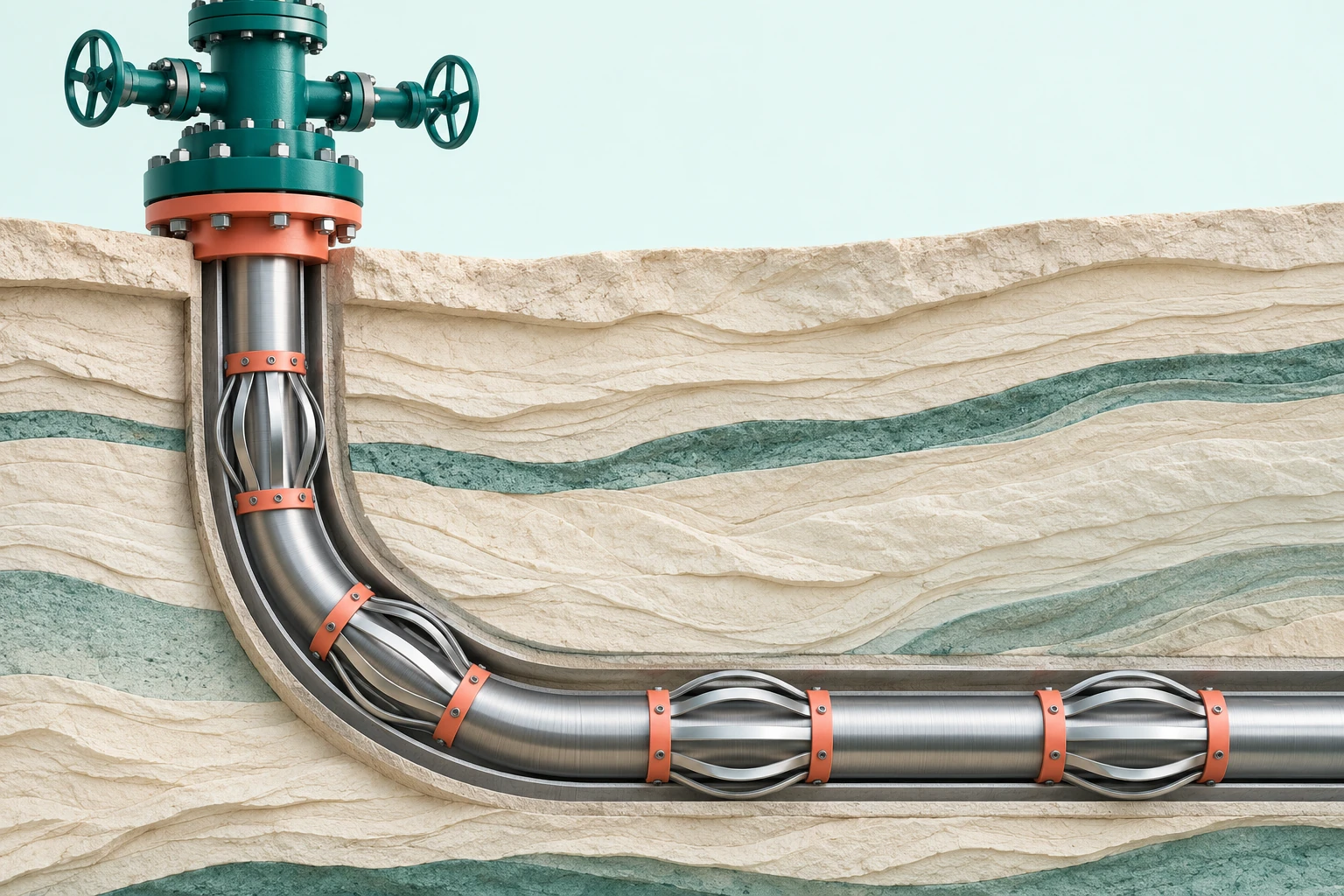
The challenge
Well planning often spans specialist tools, spreadsheets and separate equipment records. Keeping the design basis consistent across these steps is essential to making informed engineering decisions.
My approach
I’m translating well-completion and manufacturing experience into the product requirements and workflow. ATLAS brings together trajectory and casing design, torque and drag analysis, centralizer selection and scenario comparison, with traceable inputs and engineering review. AI-assisted development has enabled me to build and refine the software around problems I understand from industry.
Where it stands
Active development and engineering validation.
How it started
Before AI, I couldn’t build that software myself. It gave me a way to start turning my experience into something useful while learning how to build it. That process has changed how I look at problems. I’m much more likely now to ask, “Could I build something to solve this?”
The original story
ATLAS started with a problem I understood from the industry: engineers moving between disconnected tools for well planning, torque and drag analysis, and centralizer selection.
I wanted to bring those pieces together so engineers could explore their wells in greater detail, understand how different choices affect one another, and make better-informed decisions.
Want to try the ATLAS challenge?Open the playground on the home page
Discuss ATLAS